
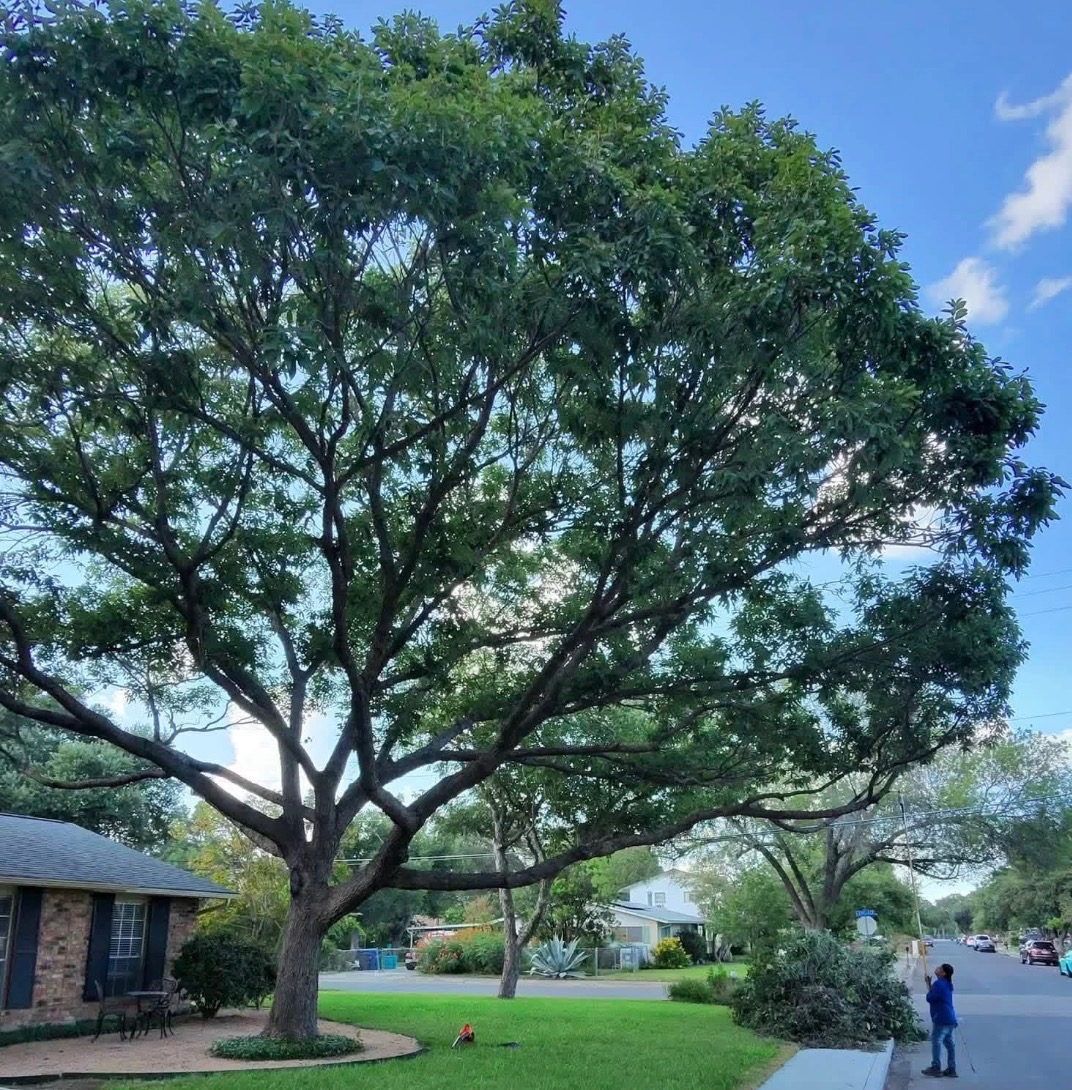
Changes worth having inspected
Arrange an inspection for thinning foliage, repeated branch dieback, unusual leaf loss, trunk cracks, visible decay, pest activity, or changes after construction or a storm. Trees near homes, parking, or pedestrian areas deserve attention when their condition changes. Share when you first noticed the problem and whether it is progressing.
Look beyond a single symptom
An inspection considers visible canopy and branch condition, trunk and root-flare concerns, soil and site changes, recent weather, irrigation, and previous tree work. Several causes can produce similar symptoms. Ground-level observation has limits: concealed decay, buried roots, or inaccessible canopy defects may need further evaluation rather than a definitive diagnosis.
Recommendations and the next step
Existing services include tree inspection, risk assessment, selective trimming, and removal when appropriate. An inspection may lead to monitoring, care guidance, or discussion of further work. Confirm the inspection scope and whether any written report, specialized testing, or follow-up is available and included; those are not automatic deliverables.
Prepare for a useful visit
Identify the trees of concern, provide safe access, and describe nearby buildings, utilities, recent trenching, grade changes, or equipment traffic. Keep pets away from the work area and do not climb the tree to collect photos. If hanging limbs or sudden root movement suggest immediate danger, keep people clear and call rather than waiting on an online request.
Inspection is not a cleanup package
An inspection does not itself establish a pruning, removal, or debris-handling scope. If work is recommended, ask for an estimate that identifies the trees, work, access and protection measures, and cleanup. Confirm separately any hauling, stump work, or restoration you want considered.
What affects an inspection estimate
Service type, tree size and condition, number of trees, property access, nearby structures and utilities, and equipment or further evaluation needs determine scope. Tell us about urgency and applicable reporting or property requirements. If follow-up tree work is proposed, its debris scope and estimate should be agreed separately; no pricing is assumed here.
Customer questions
Is a tree inspection the same as a risk assessment?
An inspection reviews visible health and structural concerns. A risk assessment focuses on potential failure and the people or property that could be affected. Explain your concern so the appropriate scope can be discussed.
Can you diagnose a tree from a photo?
Photos help describe visible symptoms, but they cannot reveal every root, trunk, or canopy issue. A site assessment or further testing may be necessary.
Will I receive a written report?
Ask before booking. The format, intended use, and any reporting requirements must be agreed; this page does not promise a report or specialist test.
Does an inspection guarantee a tree will not fail?
No. Conditions change, and not every defect is visible or predictable. Discuss monitoring and follow-up if there are unresolved concerns.